
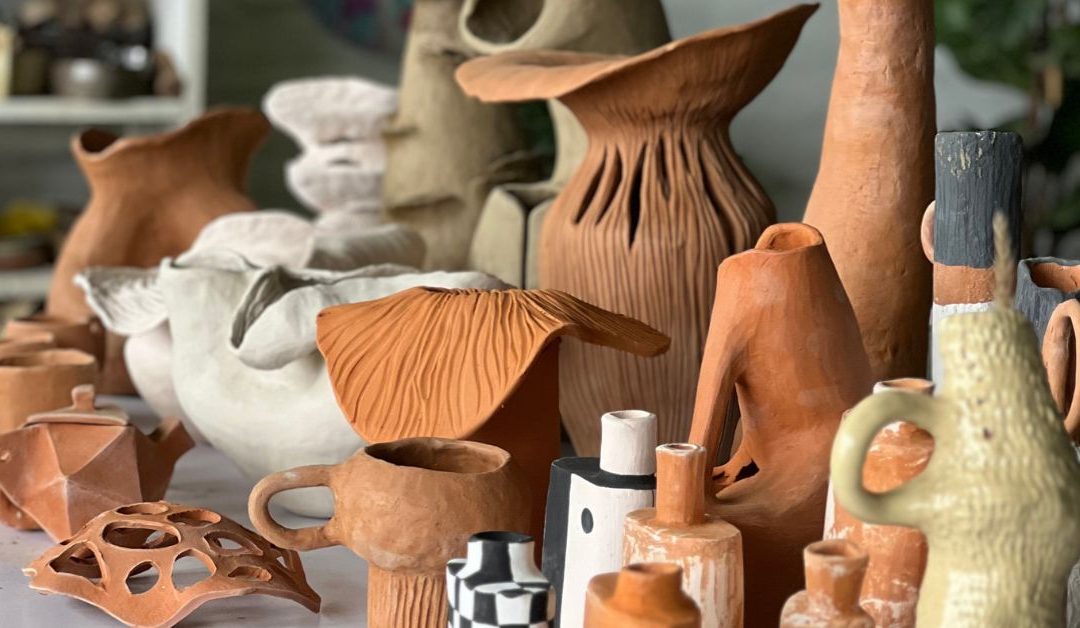
What is Terracotta
The word terracotta comes from the Latin terra cocta, meaning “baked earth,” reflecting the ancient process of firing clay to create a long lasting material. Composed of natural earth elements and iron oxide, terracotta’s characteristic reddish-brown colour is a result of chemical changes during firing at temperatures around 1000°C. For millennia, it has been used in cultures like the Greeks, Romans, and Egyptians for pottery, sculpture, and building materials like roof tiles and bricks, valued for both its aesthetic appeal and practicality.
One of terracotta’s unique properties is its ability to absorb moisture, making it good for cooking and food storage, especially for dishes that are cooked slowly. Its breathability helps regulate moisture, preventing spoilage. In gardening, terracotta pots and urns promote healthy plant growth by allowing roots to breathe and retain moisture. Its rustic look also makes it popular for outdoor decorations and architectural features like tiles and facade.
For those seeking hands-on experiences with this material, pottery retreats in Himachal offer an opportunity to learn about its applications while embracing its timeless appeal. Today, terracotta remains a cherished material for its beauty, functionality, and cultural significance, bridging ancient traditions with modern design and sustainable practices.
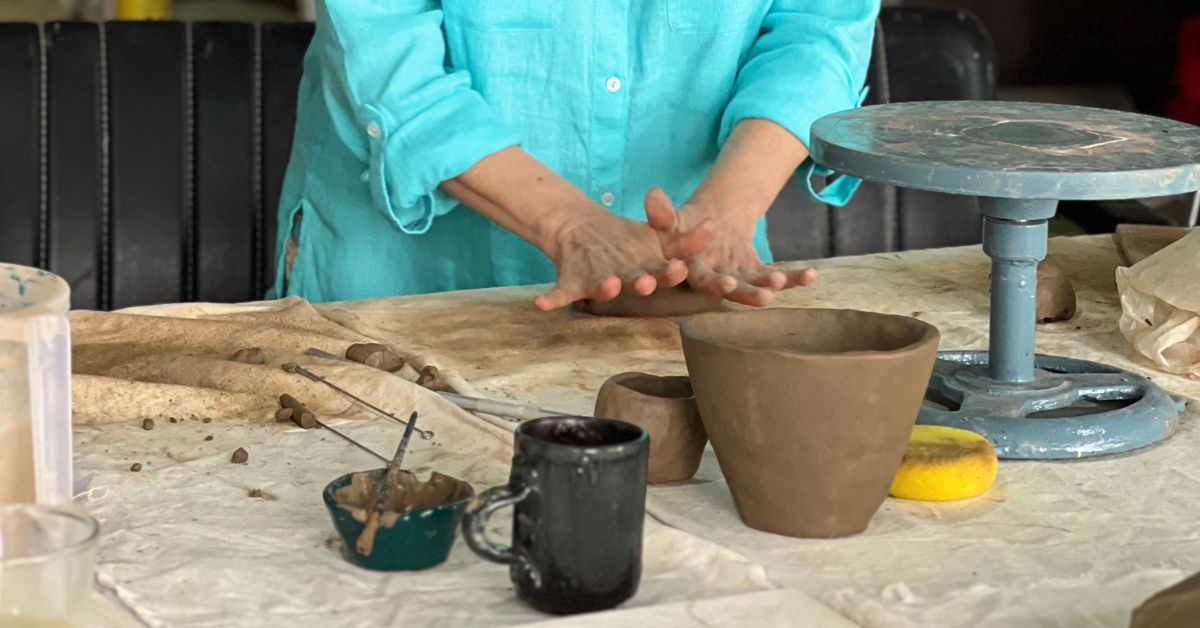
Also Read: From Clay to Art: Everything You Need to Know About Clay
History of Terracotta
The history of terracotta dates back to 5000 BCE, with early use in ancient civilizations like Mesopotamia, the Indus Valley, and Greece. Initially, terracotta served practical purposes, such as building storage containers, roof tiles, bricks and seals. In these societies, it also had religious significance as the clay was used to make sculptures of gods and deities used in rituals.
In India, terracotta has a rich history dating back to the Indus Valley Civilization. It was used for food storage, ritual items, and decorative figurines. Indian terracotta figurines and sculptures, depicting deities and animals, were central to religious practices. Regions like Bengal and Rajasthan became known for their intricate terracotta carvings, tiles, and murals, which can still be appreciated today.
In ancient Greece, terracotta became a favored medium for pottery, urns, and sculptures, often depicting mythological and daily life scenes. Roman architects expanded its use for ornamental purposes, tiles, and large-scale sculptures.
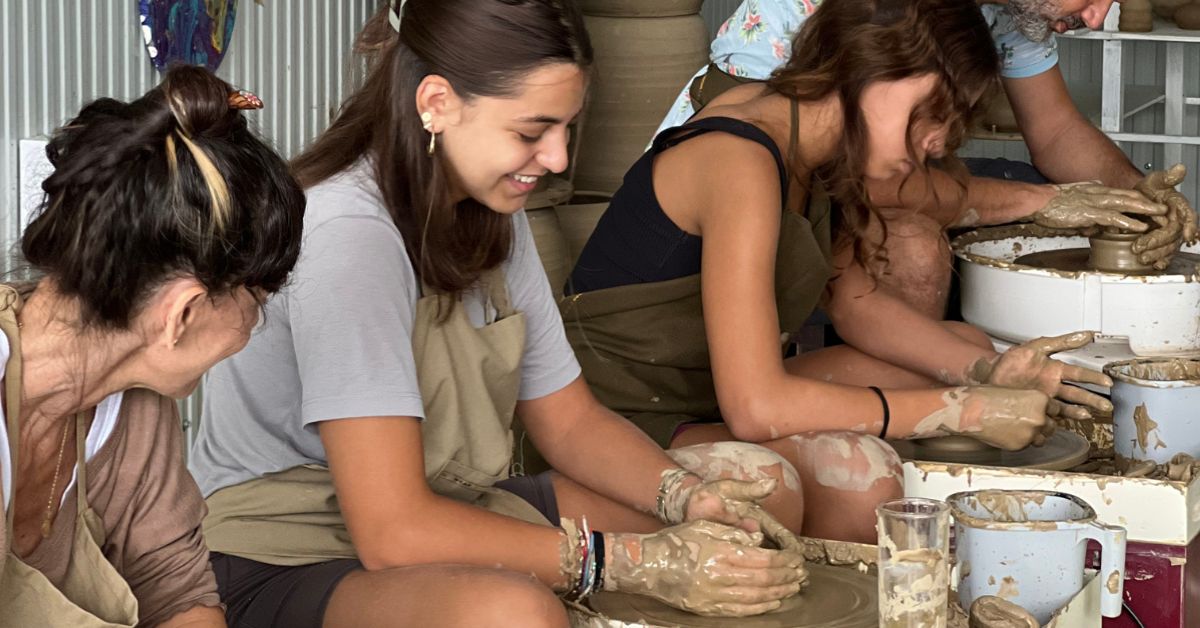
Terracotta in Architecture
Terracotta has played a key role in architecture, evolving through different artistic movements, particularly during the Renaissance and Modern eras. In the Renaissance, inspired by classical Greek and Roman art, terracotta became a popular medium for sculptures, reliefs, and architectural embellishments.
As the Renaissance revived classical styles, terracotta became essential for both exterior and interior decoration, valued for its texture, color, and durability. This appreciation continued into the Modern era, where ceramic workshops in Dharamshala explore how terracotta enhances sustainable design. Its insulating ability and wide range of textures and colors make it ideal for contemporary buildings.
Also Read: Beyond the Pottery Wheel: A Beginner’s Guide to Ceramic Mold Making
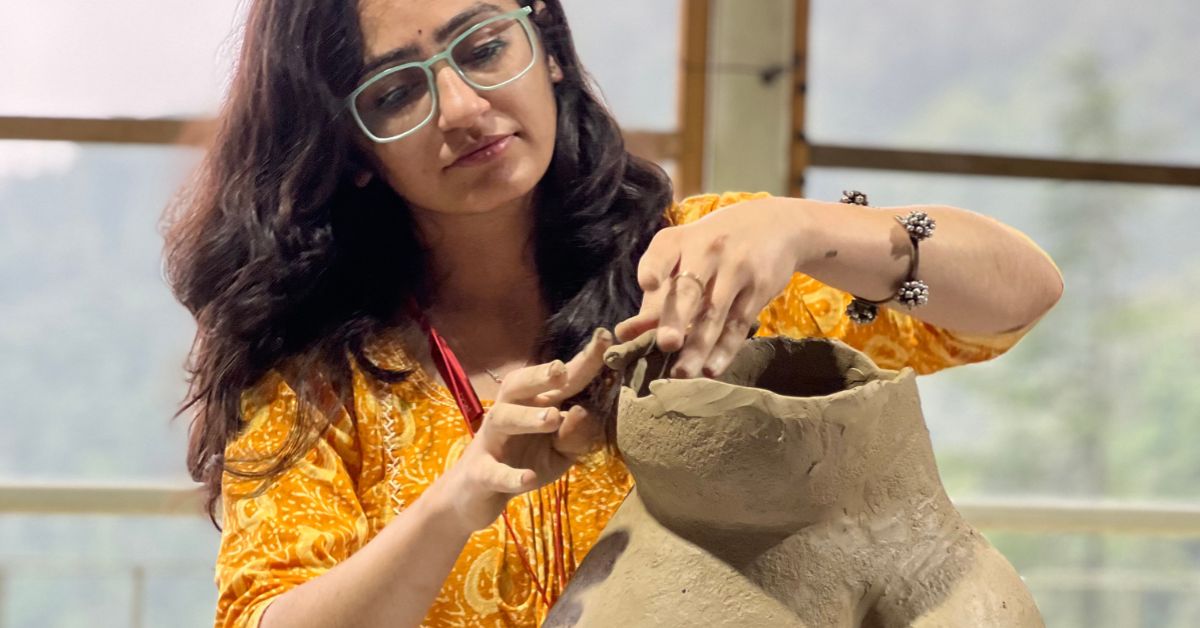
Terracotta in Art
Terracotta’s malleable nature has long been a cornerstone of art and sculpture, prized for its ability to capture intricate details and broad forms. The Terracotta Army of China, created in the 3rd century BCE, stands as one of its most extraordinary examples. Similarly, ancient Greek pottery offers valuable insights into daily life and mythology.
Also Read: 5 Reasons Why You Should Visit The Mountains In Winter
Terracotta in Modern World
In the modern world, wheel-throwing pottery courses provide enthusiasts with the chance to reconnect with terracotta’s traditional charm while exploring its new applications in art and design. Whether through sculptural forms or contemporary glazes, artists find fresh ways to innovate with this versatile material.
Sustainability
Terracotta’s sustainable qualities are a major draw in today’s eco-conscious world. Its recyclability and natural composition make it a preferred material for those valuing sustainable and artisanal goods.
Conclusion
Terracotta bridges the past and future, offering endless opportunities for creative exploration. From Himalayan pottery workshops to modern architecture, this ancient material continues to inspire and enrich our lives.