

Understanding Fire: The Heart of Ceramics
Fire is both creator and destroyer in the world of pottery. It’s the ancient alchemy that turns soft, malleable clay into durable, functional ceramic. But fire is also unpredictable, it can crack your favorite piece or create unexpected beauty in the form of natural ash glazes. Understanding fire means learning to work with this powerful element, not against it.
At its core, firing is about controlled transformation. When we heat clay, we’re fundamentally changing its molecular structure, driving out moisture, and creating new crystalline bonds that give ceramic its strength and permanence.
The Science Behind Firing
What Happens to Clay in the Fire?
0°C – 100°C (32°F – 212°F): Atmospheric Moisture The clay releases surface moisture. This is why proper drying is crucial before firing, trapped moisture can cause explosive steam.
100°C – 200°C (212°F – 392°F): Mechanical Water Water that’s mechanically mixed with clay particles evaporates. Slow heating during this phase prevents cracking.
450°C – 600°C (842°F – 1112°F): Chemical Water The clay’s molecular structure begins changing. Chemical water bound within the clay molecules is driven off, this transformation is irreversible.
573°C (1063°F): Quartz Inversion Free silica in the clay undergoes expansion. This is why potters heat and cool slowly around this temperature to prevent cracking.
900°C – 1000°C (1652°F – 1832°F): Ceramic Change The clay becomes ceramic. It’s now permanently hardened and can no longer be recycled back to raw clay.
Bisque Firing: The First Transformation
What is Bisque Firing?
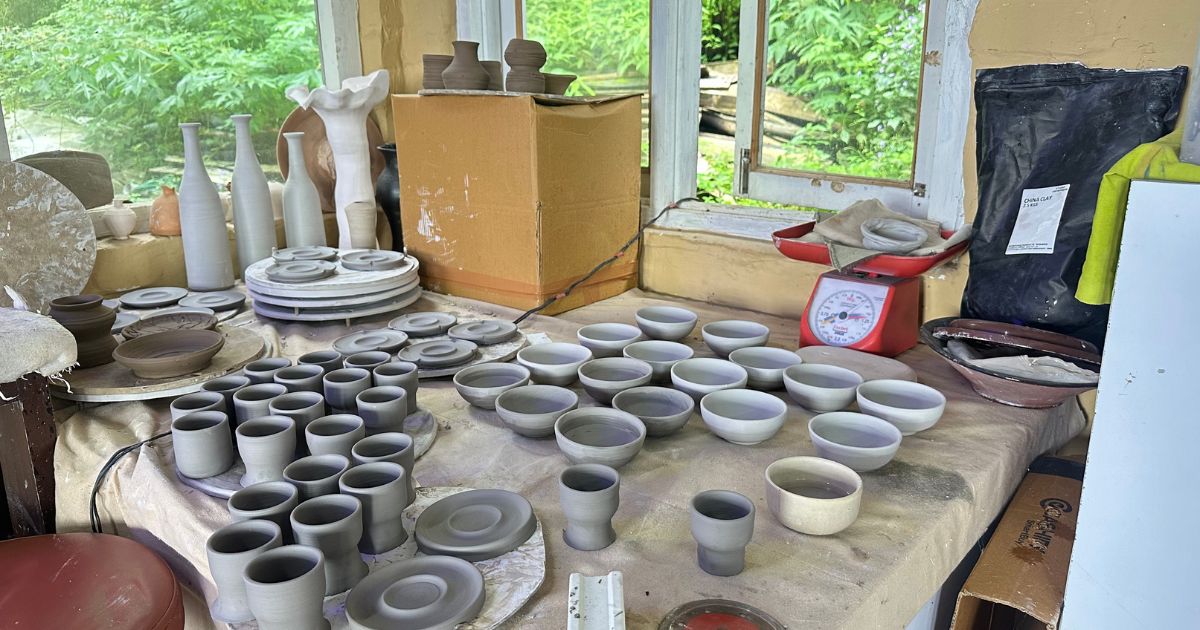
Bisque firing is pottery’s first journey through fire. It transforms fragile, dried clay (called “greenware”) into porous, durable ceramic that can be handled, glazed, and fired again.
Temperature and Timing
Typical Range: 900°C – 1000°C (1652°F – 1832°F) Duration: 8-12 hours for heating, plus cooling time Atmosphere: Oxidation (plenty of oxygen)
The Bisque Firing Process
1. Loading the Kiln
- Pieces can touch each other (they won’t stick at bisque temperatures)
- Stack efficiently but allow air circulation
- Place heavier pieces on lower shelves
2. The Firing Schedule
- Hours 1-3: Slow heating (50°C per hour) to drive out remaining moisture
- Hours 4-6: Medium heating (100°C per hour) through chemical changes
- Hours 7-8: Normal heating to final temperature
- Cooling: Natural cooling, kiln opened when below 200°C
3. Signs of Successful Bisque
- Pieces have a matte, porous surface
- They make a clear “ping” when tapped
- They absorb water readily
- Color has changed (usually lighter/whiter)
Common Bisque Problems and Solutions
Cracking:
- Cause: Too-fast heating, thick walls, trapped moisture
- Solution: Longer drying time, slower initial heating, even wall thickness
Bloating:
- Cause: Organic matter in clay, overfiring
- Solution: Better clay preparation, lower firing temperature
Uneven Color:
- Cause: Uneven heating in kiln, different clay bodies
- Solution: Better kiln loading, consistent clay preparation
Glaze Firing: The Second Dance with Fire
Understanding Glaze
Glaze is essentially liquid glass that melts onto the ceramic surface during firing. It can be functional (making pieces waterproof), decorative (adding color and texture), or both.
Glaze Firing Temperatures
Low Fire: 950°C – 1080°C (1742°F – 1976°F)
- Bright colors, easier to fire
- Less durable, more porous
- Common for decorative pieces
Mid Fire: 1180°C – 1220°C (2156°F – 2228°F)
- Good balance of durability and color options
- Most common for functional pottery
- What we typically use at Dharamkot Studio
High Fire: 1250°C – 1300°C (2282°F – 2372°F)
- Very durable, fully vitrified
- Limited color palette
- Traditional for stoneware and porcelain
The Glaze Firing Process
- Glazing Preparation
- Clean bisque pieces thoroughly
- Apply glaze evenly (dipping, brushing, or spraying)
- Clean glaze from kiln shelf contact points
- Allow glazed pieces to dry completely
- Kiln Loading for Glaze Firing
- Pieces CANNOT touch (they’ll stick permanently)
- Use kiln furniture (stilts, posts, shelves)
- Leave space between pieces for air circulation
- Check that no glaze touches kiln shelves
- Firing Schedule
- Initial heating: Medium pace to 500°C
- Middle phase: Faster heating to maturation temperature
- Soaking: Hold at peak temperature (15-30 minutes)
- Cooling: Critical controlled cooling through 1100°C – 800°C
Glaze Firing Atmospheres
Oxidation Firing (Electric Kilns)
- Plenty of oxygen available
- Clean, predictable results
- Colors fire as expected
- Most common for beginners
Reduction Firing (Gas Kilns)
- Limited oxygen creates reducing atmosphere
- Creates unique effects: copper reds, celadon greens
- More unpredictable but often more exciting results
- Requires more skill and experience
Alternative Firing Methods: Beyond the Kiln
Pit Firing: Ancient Techniques
Pit firing is one of humanity’s oldest ceramic techniques, creating unique, smoky surfaces with unpredictable patterns.
Process:
- Bisque fire pieces normally
- Dig a pit or use a metal container
- Layer combustible materials (sawdust, leaves, organic matter)
- Place pottery among the materials
- Light the fire and let it burn slowly
- Cool naturally in the ashes
Results: Black, gray, and brown surfaces with organic patterns where flames and smoke touched the clay.
Raku Firing: Embracing Chance
Raku, developed in 16th-century Japan for tea ceremony bowls, involves removing red-hot pottery from the kiln and placing it in combustible materials.
Process:
- Bisque fire pieces
- Apply special raku glazes
- Heat quickly to 900°C – 1000°C
- Remove glowing pieces with tongs
- Place in containers with combustible materials (sawdust, newspaper)
- Cover to create reduction atmosphere
- Quench in water when desired effect is achieved
Results: Metallic lusters, dramatic crazing, unique color combinations, and unpredictable beauty.
Saggar Firing: Controlled Smoke Effects
Saggar firing involves placing pottery in containers (saggars) with organic materials, creating localized atmospheric effects.
Materials Used:
- Copper wire or powder (green/red flashing)
- Salt (orange/yellow effects)
- Banana peels (yellow/brown patterns)
- Seaweed (organic patterns)
- Horse hair (delicate black lines)
Wood Firing: The Ultimate Challenge
Wood firing is the marathon of ceramic firing, often lasting 2-5 days of continuous stoking.
Characteristics:
- Natural ash glazes from wood ash
- Flame patterns and flashing
- Subtle color variations
- Rich, organic surfaces
- Requires team effort and dedication
Kiln Types and Choosing the Right One
Electric Kilns
Pros: Easy to use, consistent results, no ventilation issues, precise control Cons: Limited to oxidation firing, higher electricity costs, less “fire” character Best for: Beginners, production pottery, glazes that require oxidation
Gas Kilns
Pros: Can achieve reduction, faster firing, traditional flame effects, lower operating costs Cons: Requires gas line or propane, needs ventilation, more skill required, less consistent Best for: Advanced potters, reduction glazes, production work
Wood Kilns
Pros: Natural ash effects, traditional methods, community building, unique results Cons: Labor intensive, requires lots of wood, unpredictable, environmental concerns Best for: Art pieces, traditional pottery, special occasions
Safety First: Firing Precautions
Essential Safety Guidelines
Ventilation: Always ensure proper ventilation, especially with gas kilns and alternative firing methods.
Protective Equipment:
- Heat-resistant gloves for handling hot pottery
- Safety glasses when looking into bright kilns
- Dust masks when handling dry glazes
- Long-sleeved clothing and closed shoes
Fire Safety:
- Keep fire extinguishers nearby
- Have water source available
- Clear combustible materials from firing area
- Never leave alternative firings unattended
Toxic Materials:
- Avoid glazes containing lead, especially for functional pottery
- Handle all glaze materials carefully
- Wash hands thoroughly after handling glazes
- Store toxic materials safely away from children and food

Reading Your Firing Results
Signs of Successful Firing
Bisque Firing Success:
- Even color throughout
- Matte, porous surface
- Clear ring when tapped
- No cracks or bloating
Glaze Firing Success:
- Even glaze coverage
- Good fit (no crazing or shivering)
- Proper maturation (not under or over-fired)
- Clean kiln shelf contact points
Common Firing Problems
Underfiring:
- Glaze appears dry or matte when it should be glossy
- Colors are pale or dull
- Poor durability
Overfiring:
- Glazes run off the pot
- Bloating or warping of clay body
- Loss of detail in decorative elements
Uneven Firing:
- Color variations across the kiln load
- Some pieces properly fired, others not
- Usually indicates poor kiln maintenance or loading
Developing Your Firing Skills
Start Simple
Begin with basic bisque and glaze firings using electric kilns. Master the fundamentals before moving to more complex methods.
Keep Detailed Records
Document every firing:
- Temperature and time schedules
- Kiln loading patterns
- Glaze recipes and application methods
- Results and observations
- Problems and solutions
Learn from Mistakes
Every potter has firing disasters. Each failure teaches valuable lessons about clay, glaze, and fire behavior.
Join a Community
Find other potters, join workshops, or visit studios like Dharamkot Studio where you can learn from experienced firers.

The Philosophy of Fire
At Dharamkot Studio, we often tell our students that firing is where pottery becomes partnership. You provide the skill, preparation, and knowledge, fire provides the magic, unpredictability, and final transformation.
There’s something deeply satisfying about opening a kiln after a successful firing. The anticipation builds as the temperature drops, and finally, when the kiln is cool enough to open, you’re greeted by your creations, transformed, permanent, and ready for their new life in the world.
Fire teaches patience. You cannot rush a good firing. Fire teaches humility, even experienced potters face surprises. But fire also teaches joy, the pure delight of seeing a perfect glaze, an unexpected flash of color, or the satisfaction of functional pottery ready for daily use.
Next Steps on Your Firing Journey
Whether you’re planning your first bisque firing or dreaming of building your own wood kiln, remember that mastery comes through practice, observation, and patience. Each firing is a learning experience, each opened kiln a revelation.
At Dharamkot Studio, our kilns are always ready for the next firing adventure. From basic electric firings to dramatic raku sessions, we believe in learning by doing, guided by experienced hands but ultimately discovered through your own relationship with fire.
The ancient craft of pottery continues because each generation finds new ways to dance with fire. Your firing journey is just beginning, embrace the learning, celebrate the successes, and remember that even master potters are still students of fire.
Ready to experience the magic of firing firsthand? Join us at Dharamkot Studio for hands-on workshops where you’ll not only learn the theory but feel the heat, smell the smoke, and experience the transformative power of fire in pottery. Our kilns are waiting, and your ceramic journey is calling.
Fire safely, fire thoughtfully and fire with joy.
~ The Team at Dharamkot Studio