

A Unique Fusion of Printmaking and Ceramics
Pottery and printmaking might seem like two very different art forms, yet contemporary ceramic art is increasingly blending these disciplines. Screen printing on clay – the process of transferring printed images onto ceramic surfaces – has emerged as an exciting frontier for artists seeking new modes of expression. Historically, studio potters were hesitant to use printmaking methods on ceramics, but attitudes are rapidly changing as makers explore techniques like screen printing to expand their creative possibilities. In fact, screen printing (silkscreen) is now one of the innovative methods embraced by modern ceramicists to achieve intricate surface imagery on their work. Recognizing the growing relevance of this technique, Dharamkot Studio in Himachal Pradesh, India, offers an advanced workshop devoted to screen printing on clay – a course designed for pottery enthusiasts and ceramic artists who want to upskill and push the boundaries of their craft.
Screen Printing on Clay: Blending Two Art Forms in Contemporary Ceramics
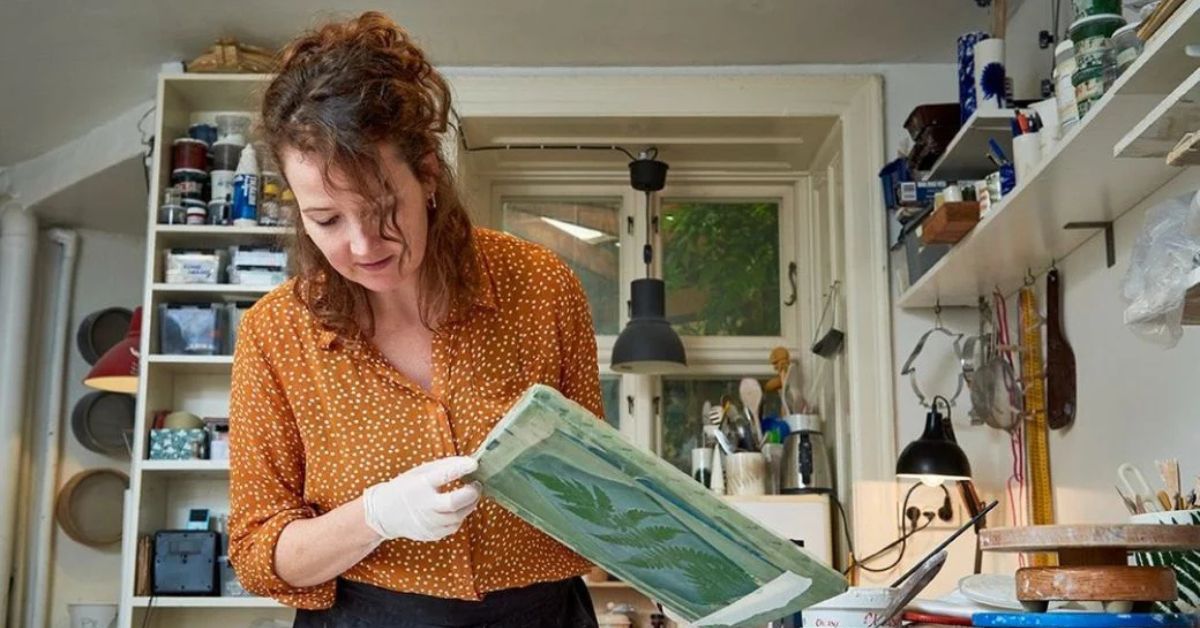
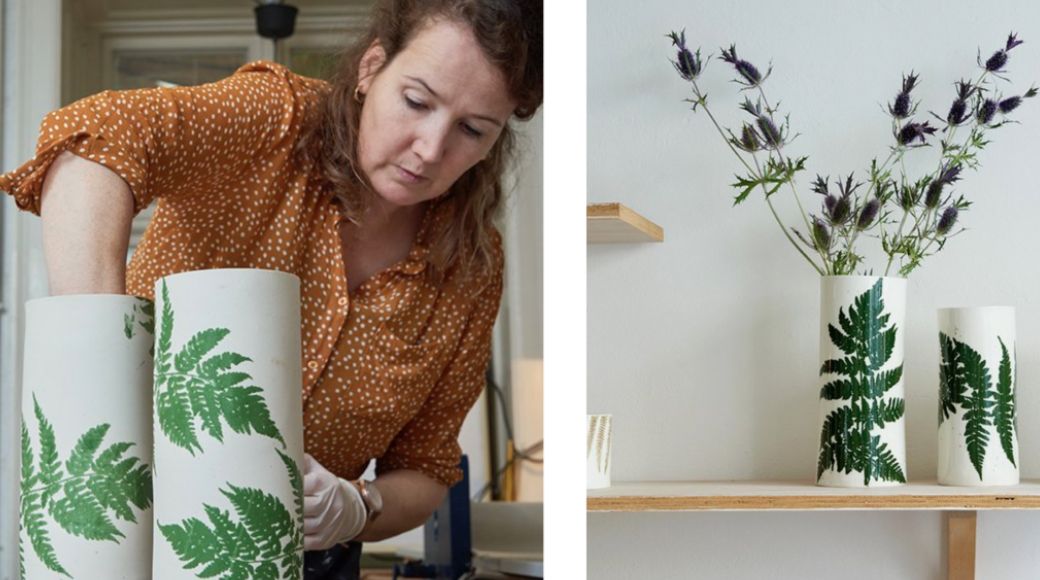
A ceramic artist demonstrates the silkscreen printing technique on a clay slab, transferring a botanical motif onto the surface.
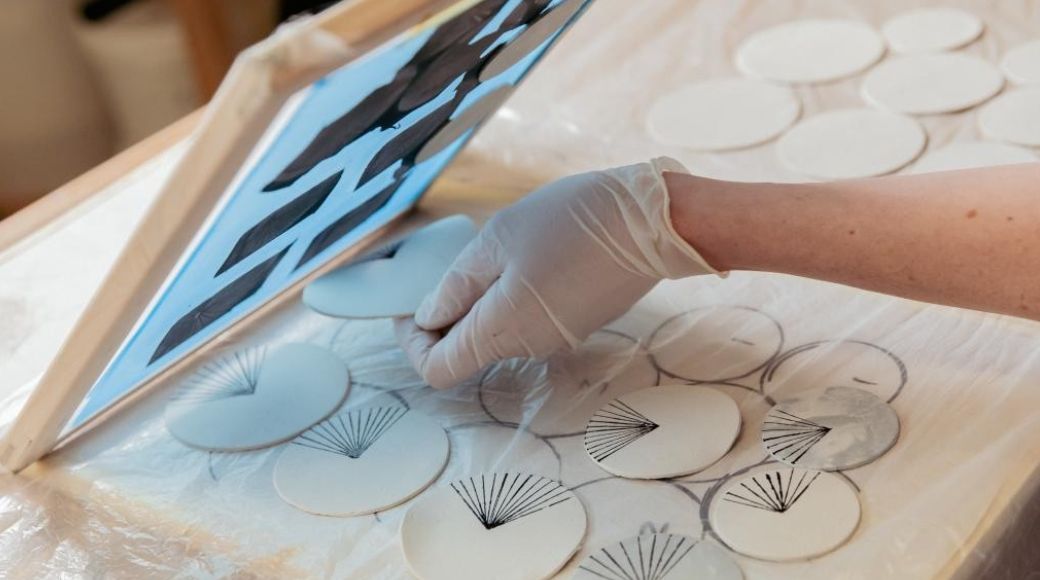
At its core, screen printing on clay is a fusion of printmaking and ceramics, allowing artists to apply detailed graphics and patterns onto three-dimensional clay forms. This hands-on approach brings together the precision of silkscreen printing and the tactile beauty of pottery. Participants in Dharamkot Studio’s workshop learn the full process of silkscreen printing on clay – an “exciting technique that blends printmaking with ceramics,” enabling the transfer of intricate designs onto clay surfaces. The result is an expanded creative toolkit for ceramic artists, opening up new creative possibilities for surface decoration that would be difficult to achieve with traditional glazing or painting alone. In today’s ceramic art scene, such cross-disciplinary techniques are highly valued for the unique visual language they introduce, marrying the graphic quality of prints with the organic form of handmade pottery.
Importantly, screen printing on clay is not a beginner’s endeavor. It involves understanding both the material science of clay (timing of prints on wet vs. dry clay, firing temperatures, etc.) and the technical steps of preparing and using silkscreens. That’s why Dharamkot Studio’s course is an intermediate/advanced level workshop intended for those with prior experience in ceramics. It offers experienced potters and ceramic students a chance to delve into this specialized technique under expert guidance.
Inside the Advanced Workshop: What Participants Will Learn and Create
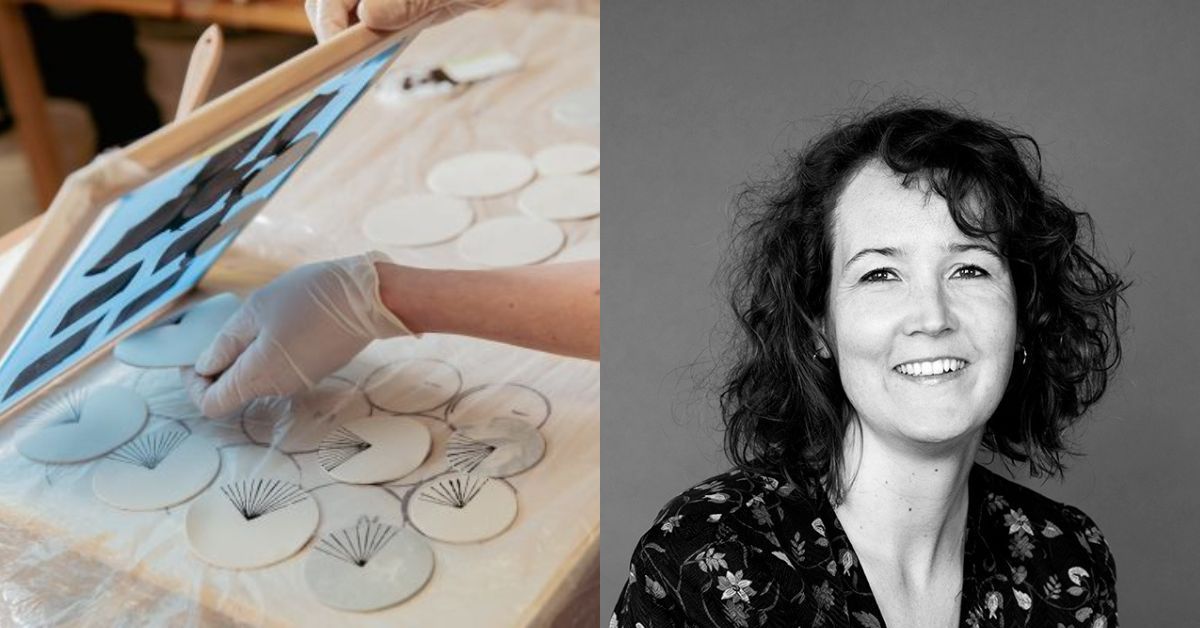
The Advanced Screen Printing on Clay workshop at Dharamkot Studio is structured to give participants a comprehensive, practical learning experience from start to finish. Over the span of six days (the next session is scheduled for 20–25 September 2025, a small cohort of only eight participants works closely with the instructor, ensuring plenty of personal guidance and studio time. By limiting the group size, the workshop creates an intimate learning atmosphere where each participant can receive feedback and assistance as they develop their projects.

The Dharamkot Studio Experience: Expert Guidance in an Inspiring Setting
One of the standout features of this workshop is the combination of world-class instruction and an inspiring learning environment. The course is led by Helene Søs Schjødt, a Danish ceramic artist celebrated for her work in porcelain and silkscreen printing. Helene brings over a decade of experience to the table – she trained at the Royal Danish Academy in Bornholm and has developed a signature style featuring nature-inspired botanical and graphic motifs on clay. Learning directly from Helene is a major draw for participants: under her expert guidance, they receive personal mentorship and insight into professional techniques. Her approach is very hands-on and encouraging; she helps attendees not just replicate her methods but also “explore surface decoration and develop their own creative voice” in ceramics. This kind of mentorship is invaluable for artists looking to expand their skills in a meaningful way.
Beyond the technical training, Dharamkot Studio provides a holistic creative retreat atmosphere that sets it apart from ordinary city workshops. Nestled in the serene Himalayas of North India, the studio offers a focused yet relaxing backdrop for learning. Participants stay on-site in comfortable private rooms amid pine and cedar forests, removed from the bustle of town but still conveniently close to a village for any essentials. Waking up to panoramic views of the Dhauladhar mountain range and breathing in crisp mountain air adds a layer of inspiration that feeds into the creative process. All necessary arrangements are taken care of – workshop fees include a private room, all materials and tools, all meals, and even local excursions and wellness sessions. This means that attendees can fully immerse themselves in learning without worrying about logistics.
Dharamkot Studio intentionally blends culture, nature, and well-being into its advanced workshops. During the week, participants get to enjoy guided activities like a city tour of Dharamshala/McLeod Ganj, hikes through scenic forest trails, meditation or sound bath sessions, and yoga – all integrated into the schedule. These experiences not only offer rest for the body after intensive studio time but also stimulate creativity by exposing artists to local Tibetan culture and the tranquility of the mountains. Many participants find that this balance of focused instruction and mindful relaxationhelps them stay inspired and return to the studio with fresh energy and ideas. As one past attendee noted, the combination of excellent instruction, supportive staff, and the peaceful environment made for “a perfect balance of instruction, practice, and relaxation” that fostered both creativity and mindfulness.
Finally, Dharamkot Studio has built a warm, inclusive community around pottery. Participants often comment on the welcoming atmosphere – instructors and staff create a supportive space where questions are encouraged and each person’s artistic journey is valued. This sense of community means that even though the workshop is intensive, it’s also enjoyable and social. Sharing the experience with fellow ceramic enthusiasts from different backgrounds can spark new friendships and collaborative ideas. By the end of the course, it’s common for the group to feel like a small artistic family, having learned and created side by side in an unforgettable setting.
Conclusion: Pushing Ceramic Boundaries with Printmaking Innovation
The advanced screen printing on clay workshop at Dharamkot Studio stands out as a unique opportunity for skilled potters and ceramic artists to expand their horizons. It highlights a cutting-edge technique at the forefront of contemporary ceramics and delivers learning in a way that is both professional and deeply enriching. Under the mentorship of an international expert and amidst the serenity of the Himalayas, participants are able to refine their craft, gain confidence in a new skill, and find inspiration in equal measure. For anyone passionate about ceramics and eager to explore the creative potential of print on clay, this workshop offers an experience that is as educational as it is inspirational – truly a fusion of art forms and a journey of artistic growth